
Midtown Small Business Support Programme
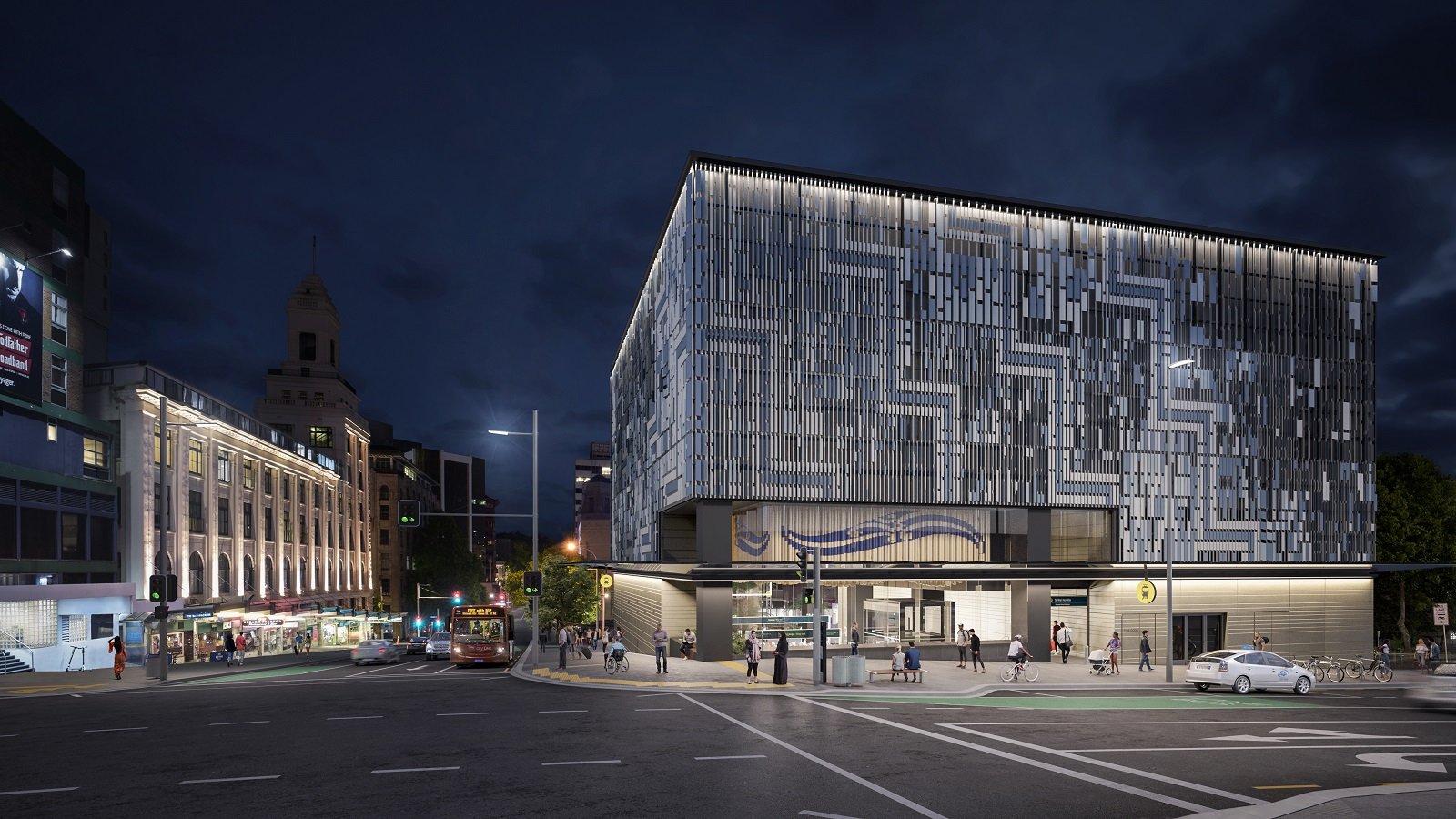
When the Street Outside Changes, It Affects Everything Around It
Supporting Auckland’s Midtown Businesses Through Major Infrastructure Works
Infrastructure works are a necessary part of any growing city. But for the businesses operating in the middle of them, the reality is rarely straightforward.
For the past three years, Werkits has worked directly alongside small business owners in Auckland’s Midtown as part of the Midtown Small Business Support Programme — commissioned by Auckland Council in response to the infrastructure works across Victoria Street West and East, Wellesley Street East and West, and the corner of Queen Street and Mayoral Drive. Surrounding streets, including Darby, Elliott, and parts of Albert Street, were also included due to the flow-on disruption.
Over the course of the programme, approximately 135 businesses received direct support. What we’ve seen goes well beyond the immediate impact of roadworks.
The Real Challenge Isn’t Just the Disruption
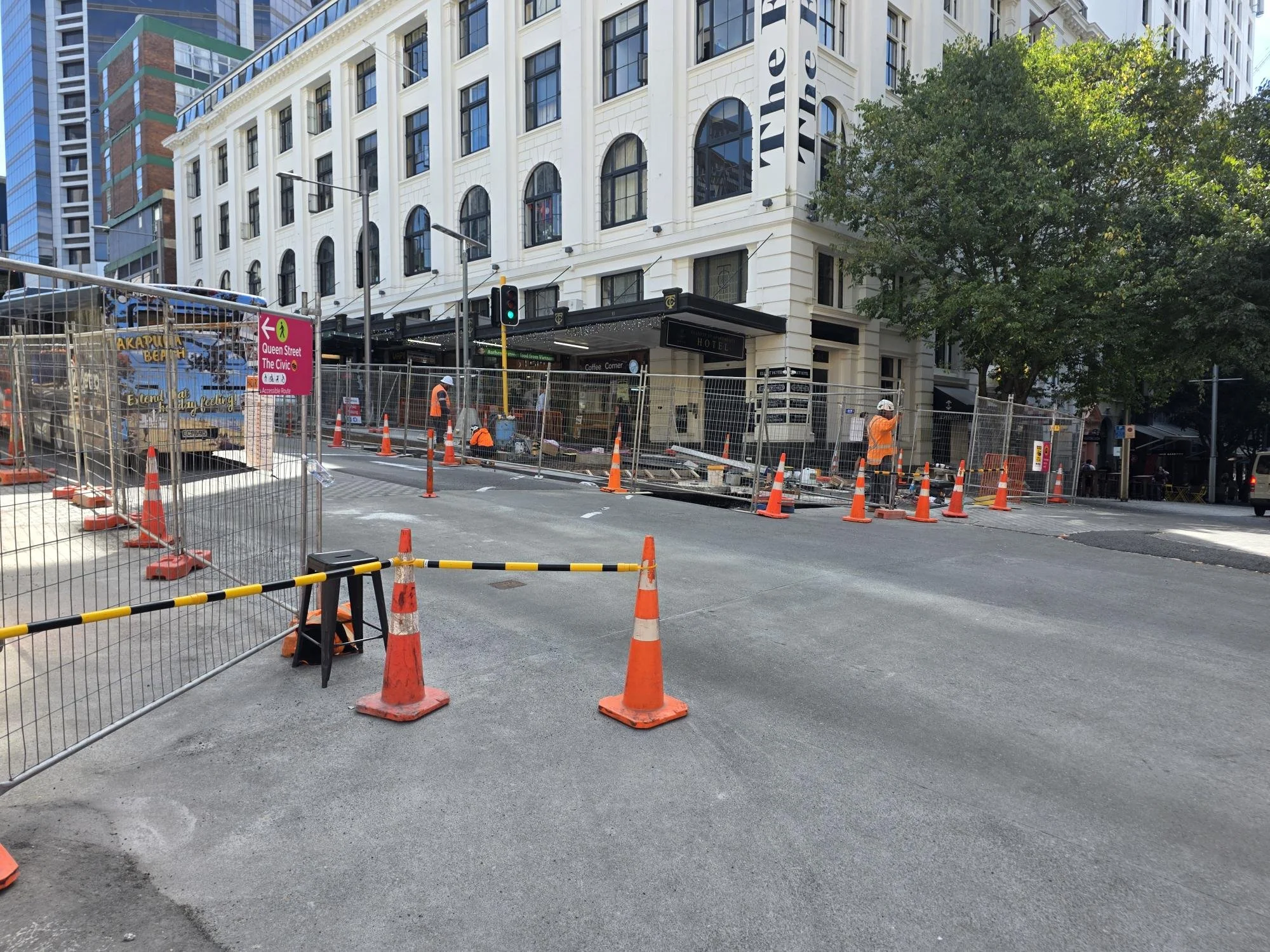
When people think about infrastructure works, the focus is usually on the obvious — reduced foot traffic, blocked access, construction noise. These matter, but they’re only part of the picture.
The deeper challenge is cumulative. As weeks turn into months, sustained disruption starts to reshape how businesses operate. Revenue becomes less predictable. Customer behaviour shifts. Decision-making gets compressed into shorter timeframes, often with incomplete information.
Over time, many business owners move into a reactive cycle — managing what’s in front of them, with little space to step back and plan ahead. We saw this consistently across Midtown. Capable, experienced operators weren’t struggling due to a lack of skill, but because the conditions around them had reduced their ability to think clearly and act strategically.
That reality shaped how we approached the programme.
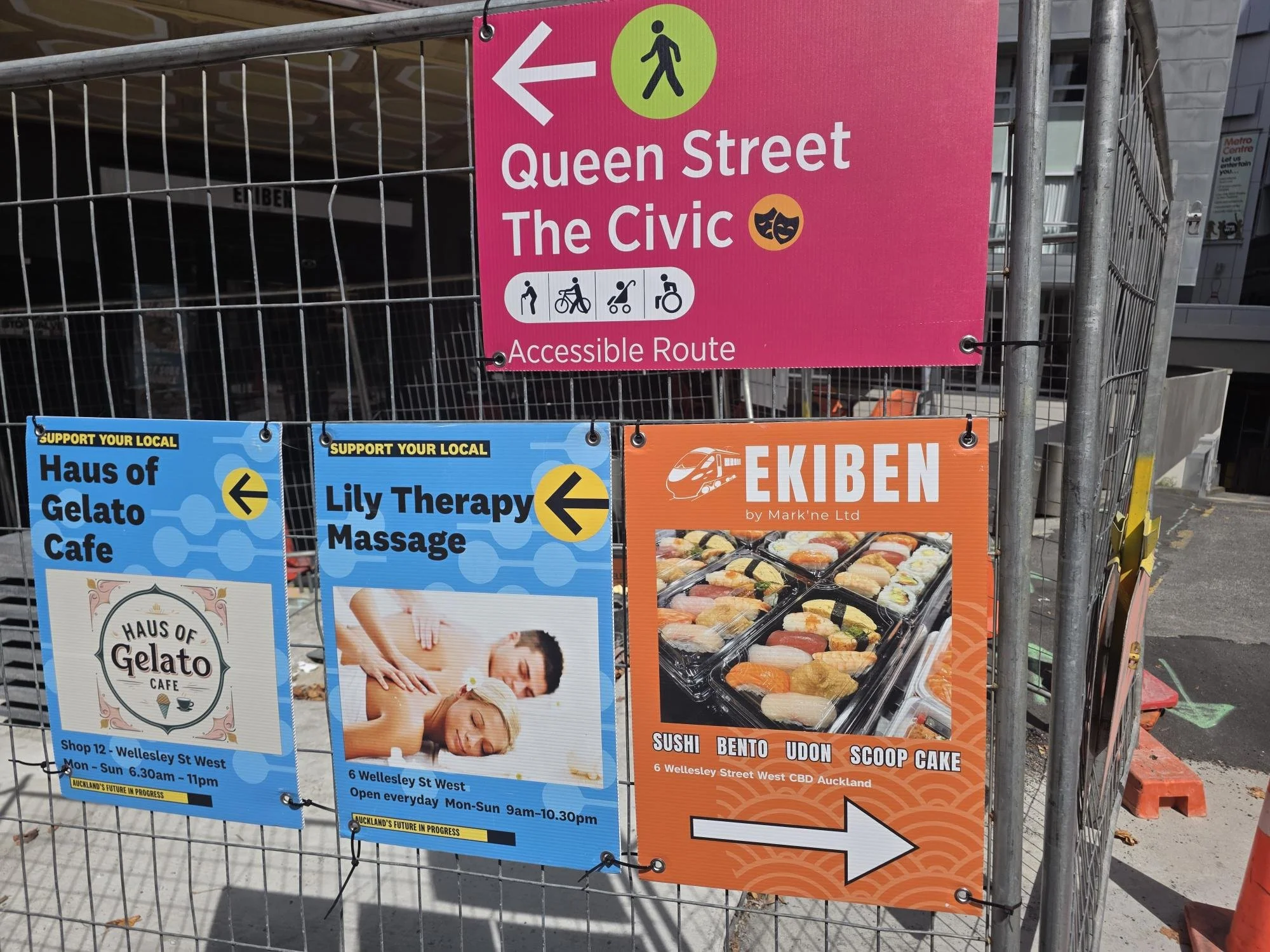
Practical Support — and Creating Space to Think
Werkits’ approach is grounded in working alongside business owners — not at arm’s length, and not through a one-size-fits-all model. We bring real business experience into each engagement, supported by structure, but led by where each business is actually at.
In practice, this meant helping owners sense-check decisions, identify opportunities they may not have seen from inside the pressure, and access the right support at the right time. We focused on understanding the business first — then providing guidance that was practical and relevant.
Just as importantly, the programme created something less tangible: space.
Space to step back.
Space to work on the business, not just in it.
For many, that shift was the turning point — moving from short-term reaction to a more considered way of navigating a prolonged period of disruption.
What Changed for Businesses
The outcomes reflect both the practical and the strategic.
On a practical level, businesses adapted — refining their models, sharpening their marketing to maintain visibility, diversifying their offerings, and improving operations. These weren’t large-scale transformations, but targeted adjustments made with greater clarity and confidence.
On a strategic level, the shift in mindset was just as important. Businesses that had been operating in survival mode began to engage more proactively, with a clearer sense of direction.
Werkits also played a connective role — translating on-the-ground insights into structured feedback so that the experiences of Midtown businesses were understood by Auckland Council and other stakeholders. That two-way flow is critical if support programmes are to remain responsive and grounded in reality.
It’s also important to acknowledge that not all businesses made it through this period. There have been losses. But for many, the programme provided the support needed to stabilise, adapt, and move forward.
Three Years. Approximately 135 Businesses Supported.
What this programme has reinforced is that effective support during disruption isn’t just about solving immediate problems. It’s about helping business owners regain their footing — practically, mentally, and strategically — so they can navigate what’s ahead with more confidence.
It also highlights a broader point: disruption doesn’t just impact access and visibility — it impacts decision-making. And most systems aren’t set up to respond to that in real time.
Collaboration with the stakeholders delivering the works has been critical to the programme’s effectiveness and overall outcomes.
Infrastructure works will always be part of city development. The question is whether the businesses affected are supported in a way that reflects the reality they’re operating in.
Werkits works alongside businesses, organisations, and communities to navigate disruption, develop strategy, and create better outcomes. If this is something you’re working through, we’re always open to a conversation.